
Key Takeaways
Paint correction is a transformative process that restores the depth, clarity, and shine of a vehicle’s exterior by permanently removing surface imperfections.
- Machine polishing levels the clear coat by removing microscopic layers of material.
- Professional shops use high-intensity lighting and paint depth gauges to ensure safety and accuracy.
- Correction requires matching specific techniques to the hardness of the paint and the level of damage present.
- DIY attempts carry significant risks, such as burning through the clear coat or causing permanent panel damage.
- Pairing correction with ceramic coatings or paint protection film creates a long-term defense against environmental hazards.
Understanding the basics of paint correction
Professional paint correction is the methodical process of leveling your vehicle’s clear coat to eliminate surface marring and haze. Unlike temporary fillers that merely hide scratches, true correction uses precision machines and specialized abrasives to restore the paint’s original optical clarity. When you search for paint correction near me, you are looking for a service that restores your car’s finish at a structural level.
How machine polishing levels the clear coat
Machine polishing involves carefully abrading the uppermost layer of the transparent clear coat, which is the sacrificial barrier protecting your vehicle’s color. By using a dual-action or rotary polisher paired with buffing pads, a technician essentially flattens the peaks and valleys formed by scratches. This process allows the clear coat to reflect light evenly, which is what gives a freshly corrected car its deep, mirror-like gloss.
The role of abrasives in removing surface damage
To achieve consistent results, detailers use varying grades of abrasive compounds that range from heavy-cut to fine-polish. These compounds work by grinding down the clear coat until the damage is no longer visible. The secret lies in the professional polishing services that transition from aggressive cutting to ultra-fine finishing, ensuring that every facet of the paint is smooth and distortion-free.
Common paint defects that require professional removal
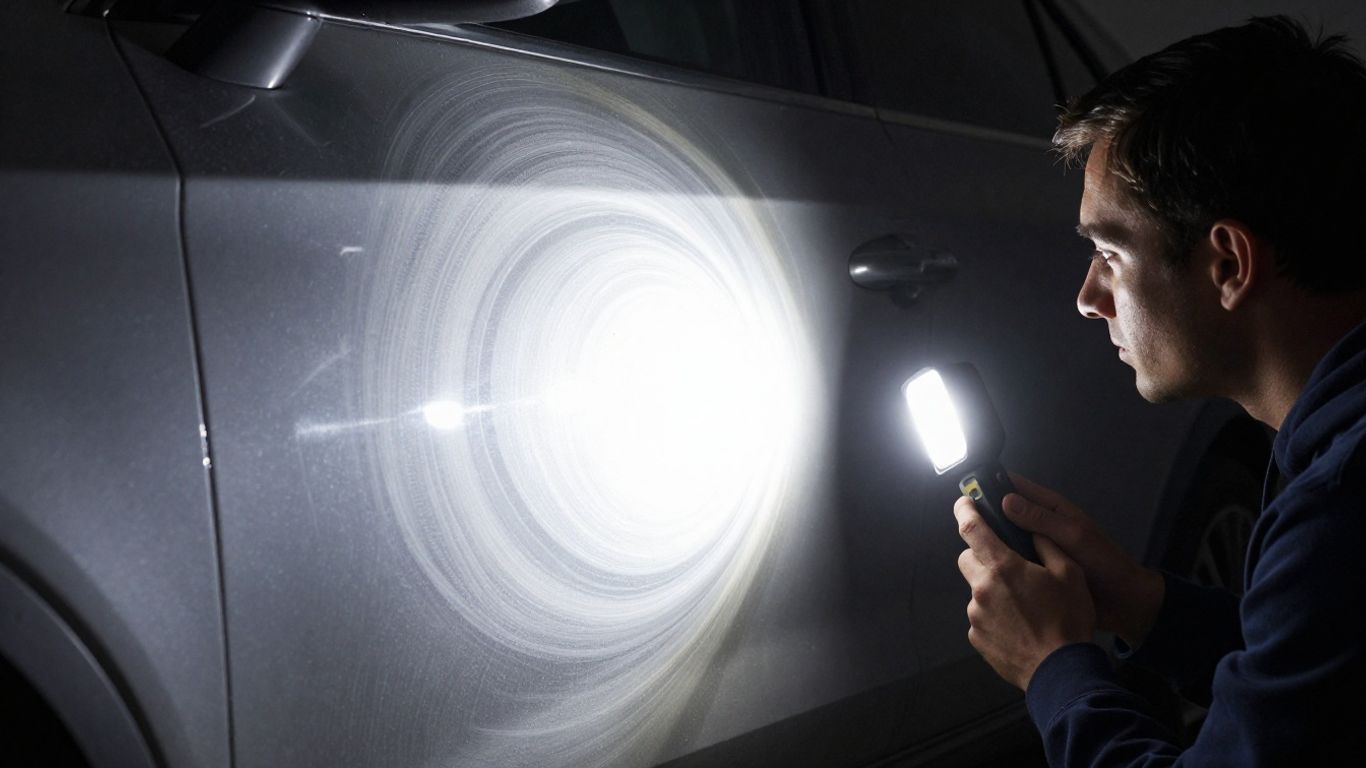
Many environmental factors jeopardize your vehicle’s finish every day, often leaving behind unsightly markers that regular car washes simply cannot remove. These defects penetrate the protection layer and physically mar the paint, requiring mechanical intervention to truly disappear. Whether you are dealing with faded sections or deep etching, professional intervention is necessary to prevent further degradation of the clear coat.
Why swirl marks occur from poor washing techniques
Swirl marks, or spiderweb scratches, are almost always the result of improper wash and dry procedures. Even a soft towel can leave thousands of micro-scratches when used on a dirty surface or with incorrect technique. Professional detailers use professional paint correction protocols to systematically strip these swirls away, leaving behind a pristine surface that glows under direct light.
Addressing oxidation and UV-related fading
Prolonged exposure to the sun breaks down the chemical structure of the paint, leading to a dull, chalky appearance known as oxidation. This condition robs a vehicle of its vibrancy and depth, making the color appear tired and old. Our expert paint correction process levels this compromised layer of clear coat to reveal the fresh, healthy finish underneath.
The impact of water spots and environmental etching
Minerals left behind by evaporating water can bond into the surface, creating permanent stains known as etching. In areas prone to hard water conditions, paint correction near me often becomes a necessity to reverse the damage caused by these deposits. Technicians must first diagnose the severity of the etch to choose the safest, most effective neutralizing method for your specific paint type.
The importance of a professional paint inspection
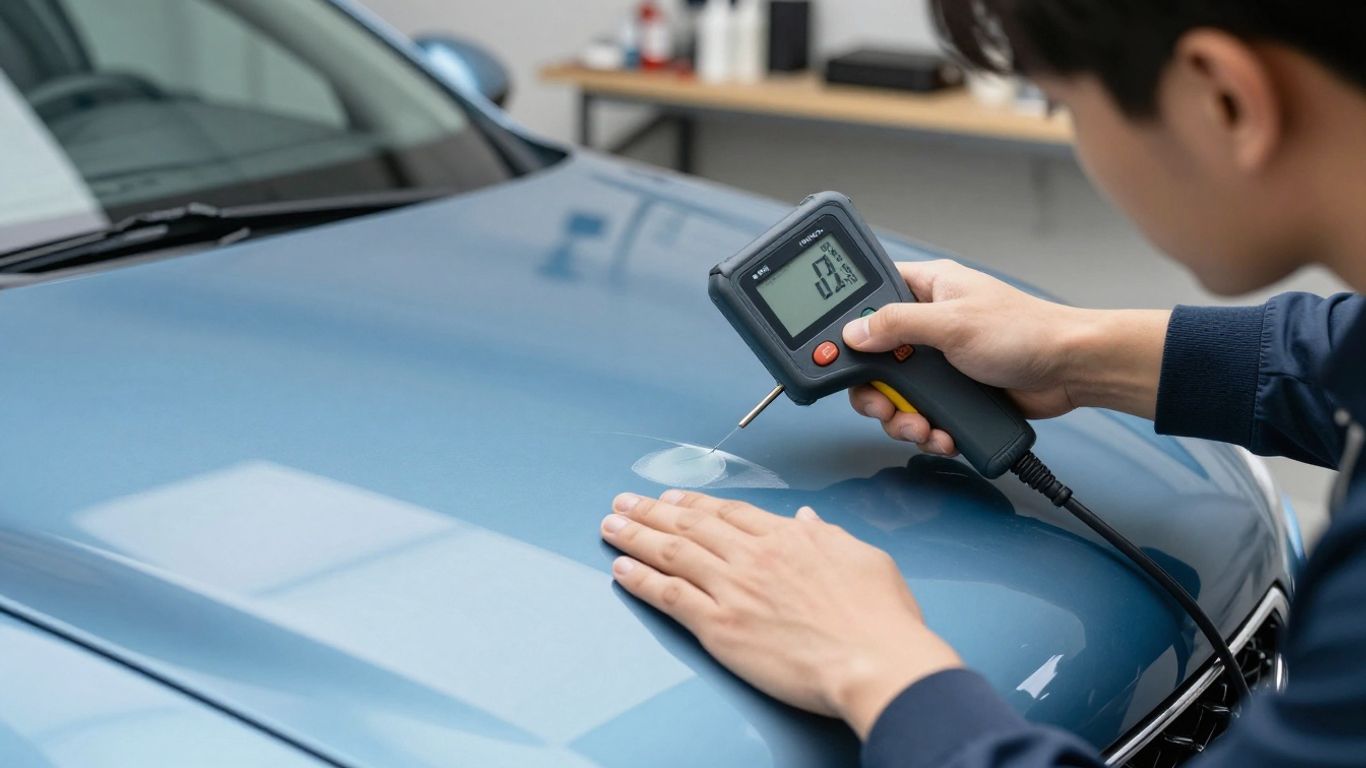
Before any buffing begins, a responsible shop conducts a comprehensive visual and physical examination of your vehicle’s entire exterior. This step identifies the boundaries of what can safely be repaired and where the paint may be too thin for aggressive correction. Taking the time to perform this assessment protects your clear coat from irreversible damage.
Why shops measure clear coat thickness
Using a digital thickness gauge, professionals determine exactly how much clear coat is available to safely remove during the cutting phase. Knowing the paint’s depth ensures that the technician never removes too much material, which would otherwise compromise the integrity of the finish. This precision is a hallmark of expert car detailing that prioritizes your vehicle’s long-term health.
Using specialized lighting to reveal hidden imperfections
Standard garage lighting can hide many of the deeper scratches and swirl marks that mar a car’s surface. Detailers utilize high-intensity, full-spectrum lamps to simulate harsh sunlight, making every defect visible during the inspection process. This lighting is essential for achieving a perfect finish and avoiding the common mistake of missing areas that still need attention.
Setting realistic expectations for end results
No shop can promise to remove 100% of paint defects without potentially compromising the paintwork. A professional inspection allows the detailer to discuss what is truly feasible, depending on the severity of the scratches and the specific condition of your clear coat. Transparency at this stage builds trust and ensures you understand the goals of your paint correction package.
Comparing different stages of paint correction
The level of correction you choose dictates how many hours of labor are spent on your vehicle’s exterior. Most providers offer tiered service levels based on the depth of the defects and the desired final appearance. Understanding these tiers ensures you pay for the level of renewal that actually matches your vehicle’s needs.
Differences between single-stage and multi-stage polishing
Single-stage polishing is generally intended for newer cars or those with light swirling, focusing on restoring a basic level of gloss. Multi-stage polishing involves a heavier cutting phase followed by fine polishing to remove deeper, more stubborn defects. Each stage is a trade-off between the depth of cut and how much clear coat is safely removed.
Matching the correction level to your vehicle’s condition
If your vehicle has been neglected for years, a high-level, multi-stage process is almost always required to achieve a noticeable difference. Conversely, a vehicle that has been maintained regularly might only need a light enhancement to bring back that new-car pop. Matching the service to the problem prevents over-polishing and ensures efficient, cost-effective service.
When your car requires a concourse-level finish
Concourse-level correction is a specialized, time-intensive process reserved for collectors or show-car enthusiasts who demand extreme perfection. This includes advanced techniques like wet sanding to remove orange peel and other structural distortions. It is the most invasive form of correction and requires a high degree of skill to execute safely.
Why individual vehicle needs dictate service levels
Every car is different, and no two paint jobs respond to polishing equipment in exactly the same way. Professional detailers must account for variable factors such as brand-specific paint chemistry and physical wear on individual body panels. This is why a standardized, one-size-fits-all approach is never the correct solution for truly high-end results.
Assessing paint hardness by manufacturer
Different manufacturers use vastly different clear coat technologies, ranging from incredibly soft to extremely hard and resistant to abrasion. A technique that works on one vehicle’s soft paint might be completely ineffective on a harder German or Italian finish. Experienced shops understand these nuances and adjust their machinery, pads, and product combinations to suit the specific paint type.
Determining if specific panels need focused attention
Often, different sections of a car face different environmental threats, such as heavy water spotting on the hood or light scratches on the trunk lid. An observant detailer will focus their limited time and resources on the panels that actually need the most correction. This targeted approach avoids unnecessarily thinning out panels that are already in good condition.
Avoiding “one size fits all” pricing models
Professional services should be based on an assessment of your vehicle’s actual paint condition rather than a flat, standardized price. Shops that provide quotes without even seeing the car are often cutting corners to keep costs low by using fillers. A proper quote accounts for the labor intensity required to handle your specific situation, protecting both you and your vehicle from unexpected outcomes.
Risks of attempting DIY paint correction
The temptation to buy an inexpensive polisher and tackle paint scratches at home is common, but it carries high risks. Modern factory clear coats are thinner than ever before, leaving little margin for error for those without extensive training. Without professional tools and years of experience, you can turn a small, local defect into a permanent, vehicle-wide eyesore.
Dangers of burning through factory clear coat
Burning through the clear coat is a catastrophic mistake that happens when you apply too much heat or pressure in one spot. Once the clear coat is gone, the base coat of color is exposed to air, which will lead to immediate failure and eventual rust. This type of damage requires a full professional respray to fix, costing significantly more than professional detailing service in the first place.
Costly mistakes from using improper equipment
Off-the-shelf equipment found at hardware stores is often not calibrated for modern paint safety. Using the wrong pad or an overly aggressive compound can create haze, holograms, and deep gouges that look worse than the original scratches. Professional-grade machines and pads are designed to disperse heat and pressure, allowing for much safer material removal.
Long-term effects of using fillers versus permanent removal
Many DIY enthusiasts rely on products that fill in scratches with oils or waxes, which look great for a few weeks until the rain washes them off. Eventually, these fillers break down, exposing the scratches you thought were repaired. Professional paint correction is permanent; it physically removes the defect rather than disguising it, ensuring your paint looks pristine for years to come.
Protecting your finish after the correction process
Once your paint has been restored to a perfect finish, you absolutely must lock in that state with a protective barrier. Without this layer, the paint remains vulnerable to the same environmental contaminants that caused the initial damage. Proper post-correction care effectively halts the degradation process and keeps the finish looking brand new.
Why ceramic coatings are recommended after polishing
Ceramic coatings form a semi-permanent chemical bond with your clear coat, providing a sacrificial layer that is harder and more resistant than paint alone. They make future washing substantially easier because contaminants have a harder time sticking to the smooth, hydrophobic glass-like surface. This is the optimal way to maximize the durability of your fresh paint restoration.
Essential maintenance habits to keep the shine intact
Maintaining a corrected finish requires moving away from automatic tunnel washes that utilize abrasive brushes. Using a two-bucket wash method with high-quality microfiber mitts and pH-neutral soap is the baseline for keeping your paint swirl-free. Regular maintenance is essentially a form of prevention that pays dividends for the life of your vehicle.
How to prevent future swirl marks during routine washes
Even with a protective coating, the way you touch your paint is the most critical factor in keeping it clean. Always use enough lubrication during washing, avoid using pressure to wipe off grit, and ensure your towels are always clean and soft. These small daily habits prevent the return of the micro-scratches that you paid to have removed in the first place.
Identifying a reputable detailing shop
Choosing the right shop is about more than just finding the cheapest price; it is about finding a professional partnership. You want to work with a team that views your car as an investment rather than just another ticket in the queue. A reputable shop will be happy to answer your questions and will show a clear passion for their craft.
Evaluating years of experience and technician training
Experience in the detailing world is not just about time in business, but the diversity of vehicles and conditions the technicians have served. Look for a shop that invests in ongoing training from industry leaders and has deep familiarity with all types of paint, from domestic to exotic. This track record indicates that they can handle unexpected conditions without damaging your paint.
Reviewing portfolios for consistent quality
Don’t just look at before-and-after photos of one or two show cars; look for consistent results across a variety of vehicle types and age levels. A good portfolio shows the detailer’s ability to handle different types of damage, color variations, and paint states. This consistency is the strongest indicator of the level of quality you can expect to receive on your own car.
Asking the right questions before booking an appointment
Ask potential shops about their process for inspection, the machines and products they prefer, and how they define their various levels of service. A professional will be happy to explain their methodology, which shows they are confident in their process and value your peace of mind. If a shop avoids your questions or gives vague answers, it is a sign to keep looking for a better fit.
Conclusion
Restoring your vehicle’s paint is one of the most rewarding investments you can make for your vehicle, both for your personal enjoyment and for long-term resale value. By understanding the science of paint correction and trusting the process to qualified experts, you ensure your car maintains its deep, showroom-quality glow for years. Remember that true correction is not about a quick fix, but about the permanent removal of defects to reveal the underlying beauty of your vehicle’s factory finish.
Frequently Asked Questions
How long does a professional paint correction service last?
The results of a permanent paint correction are lasting, provided you maintain the surface with proper washing techniques. While the paint remains corrected, future environmental exposure and poor maintenance can eventually cause new light swirls to form over time.
Does paint correction remove all scratches from my car?
It depends on the depth of the scratches, as only surface-level marks in the clear coat can be safely leveled. Scratches that are deep enough to penetrate the base coat or reach the primer cannot be polished away and usually require professional touch-up paint or panel repainting.
Is paint correction safe for a brand-new vehicle?
Many new vehicles arrive from the factory or dealership with minor imperfections like holograms or transport-related wash swirls. A gentle, light paint correction is often the best way to elevate a new paint job to its true maximum potential immediately.
Can I perform a partial paint correction on just one panel?
Yes, experts can focus on specific areas of the vehicle that have localized damage, such as a scratched door or hood. However, a full-car correction is often recommended to ensure that the depth, gloss, and clarity are uniform across every body panel.
What is the primary difference between waxing and paint correction?
Waxing is purely a temporary cosmetic enhancement that sits on top of the paint to provide a shiny layer and minor UV protection. Paint correction is a mechanical process that removes the physical imperfections in the clear coat itself to create a permanent change in the finish quality.
Will paint correction affect my car’s resale value?
A vehicle with a pristine, swirl-free, and glossy finish will almost always attract a higher trade-in or private resale price. Buyers perceive a well-maintained exterior as an indicator that the mechanical components of the vehicle have been cared for with equal attention.
How often should my car undergo paint correction?
If you practice safe maintenance habits and keep your paint protected with a quality sealant or coating, you should only need a professional paint correction once every few years. Ideally, the goal is to avoid the need for aggressive corrections by focusing on gentle, routine hand-washing and effective protection levels.